

Why advertisers are paying for video that no one watches
Digital advertising depends on trust. Yet in video, that trust is breaking down. Many advertisers assume their ads appear inside engaging content experiences when in truth, much of what gets sold as “instream” is anything but. Too often, these “placements” are muted autoplay boxes buried in articles, stacked at the bottom of a page, or hidden behind multiple competing players.
Inventory like this might register as impressions, but it rarely holds anyone’s attention. This leads to wasted spend, inflated CPMs, and disappearing value for legitimate publishers.
At the root of this problem is how the industry measures quality. For years, verification tools have relied on inference by sampling a small percentage of impressions, assigning scores, and extrapolating from incomplete data. Unfortunately, this model is built on assumptions rather than actual observation.
That’s where DeepSee.io comes in. We’ve developed a new way to evaluate media quality that replaces assumptions with evidence. By crawling and classifying every page where ads appear, we can observe how video inventory behaves in the world: who owns it, how it plays, and whether it delivers a genuine viewing experience.
Where instream quality actually lives
Recently, we analyzed more than 60,000 websites declaring instream video to test how quality maps to rank, ownership, and user engagement.
Here’s what we found:
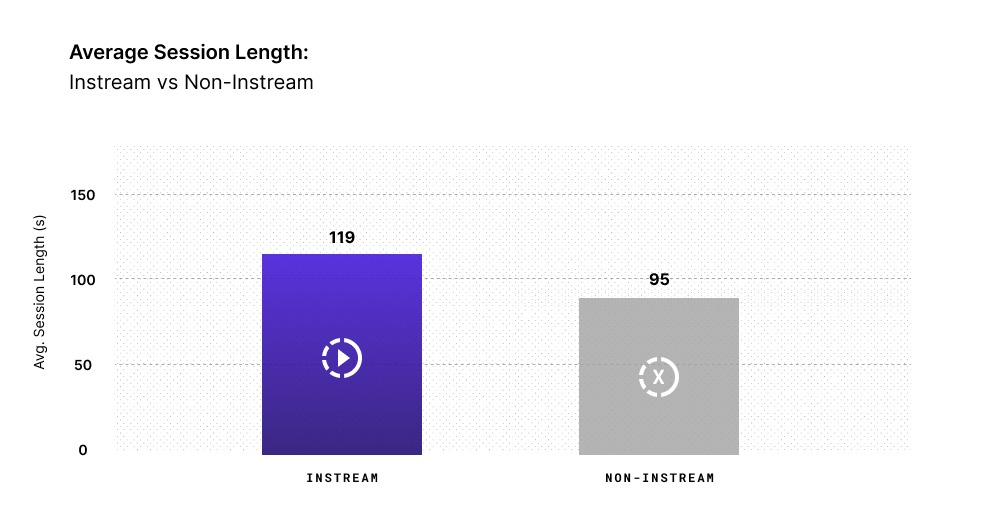
Pages that declare instream video hold users 10–35% longer and open with sound more often.
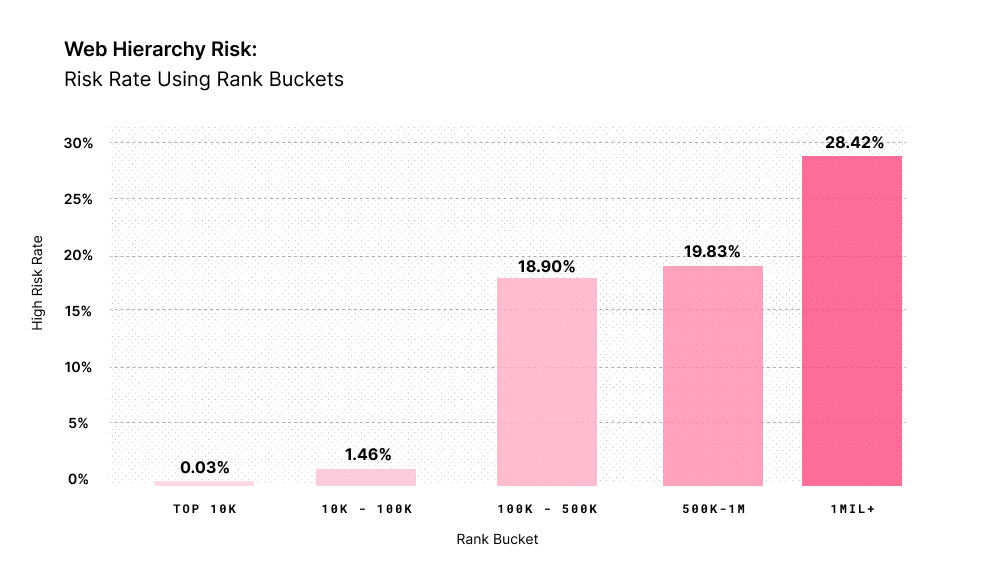
Risk does increase as sites get smaller, from 0.03% in the top 10,000 domains to 27% beyond one million, but verified long-tail publishers maintain strong engagement when ownership and structure are clean.
Many of these smaller sites outperform the biggest names in both efficiency and attention.
In our dataset, clean, single-player pages consistently cleared at lower CPMs while drawing higher human attention. In contrast, cluttered “premium” pages often ran multiple autoplay units that inflated auctions and fragmented viewership. In other words, rank often predicts popularity, not performance.Clean, single-player pages typically clear at $2–$3 CPMs and draw focused, human attention, while cluttered “premium” pages often run multiple autoplay units that inflate auctions and fragment viewership. This means that rank often predicts popularity, not performance.
What real instream video looks like
True instream video isn’t an ad disguised as content. It’s the content itself: a single, watchable experience that an actual human engages with.
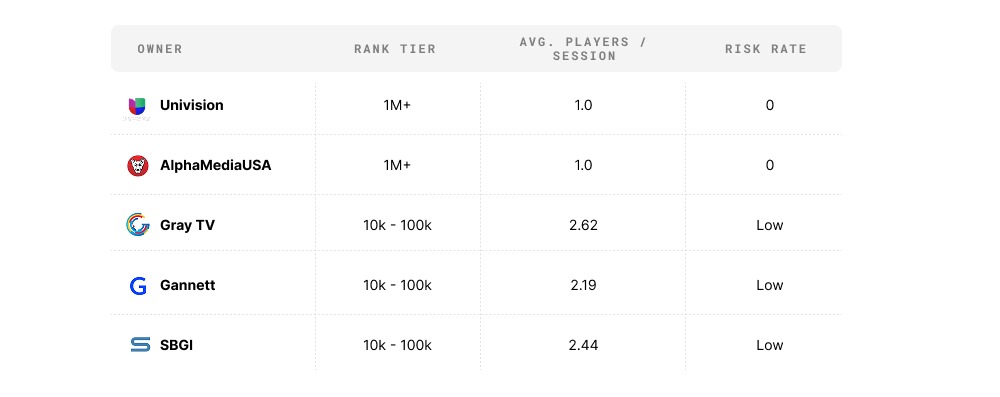
DeepSee.io’s crawl data shows that verified long-tail publishers, on average, host one video placement per page, while many “premium” publishers average two or more. Instead of creating more engagement, though, those extra players divide it.
To cut through the noise, it’s important to know what defines genuine instream video:
- One player per page. A single declared player holds attention better than multiple overlapping auctions.
- Intentional playback. The video begins with sound or user interaction, not passive autoplay.
- Verified ownership. The publisher is transparent and traceable, not hidden behind reseller chains.
When these conditions hold, advertisers can be confident their video is being watched rather than just served.
How advertisers can verify their instream buys
Verifying instream inventory is easier when you know what to look for. This starts with four simple steps:
- Confirm the player’s role. Check whether the declared instream player is the main content or an ad tucked inside another frame.
- Count players, not pages. One player per session signals a genuine viewing experience. Multiple players signal clutter.
- Check ownership before popularity. Transparent ownership correlates with cleaner pages and fewer high-risk flags.
- Bid to behavior. Base your investment on what the page actually does, e.g., how many players load, how the video starts, how users engage.
Follow these steps, and you’ll turn verification from an assumption into a measurable process.
Access genuine instream on the observed web with DeepSee.io
Seeing what’s truly on the page is what separates advertisers who pay for impressions from those who pay for attention.
That’s the kind of visibility DeepSee.io provides. Our platform verifies every instream placement, identifies legitimate publishers across the open web, and exposes where actual audience engagement lives. Our latest update also expands compliance testing for video elements, flagging the presence of floating or outstream players, declared instream video inventory, and mismatches between what is coded and what users actually see.
With these insights, advertisers can finally understand which pages deliver true attention and which simply mimic it. They can uncover cleaner, cheaper, higher-performing video inventory while reducing wasted spend across the web.
Because the observed web is where true reach lives. DeepSee.io helps you get there.
Download our full report below, Optimizing for Video Quality Isn’t as Simple as Buying the Biggest Sites, or contact our team to learn how DeepSee.io can help you verify instream video and rebuild trust in your media buys.